




Eagles: Autumn One
English
In our English lessons, we are exploring Shuan Tan's picture book 'The Arrival.' It is a fantastic book which explores empathy through the exploration of a fantasy world. We will use the book as an inspiration to write numerous different text types: from adventure narratives to emotive diaries; from official reports to persuasive brochures.
Please continue to encourage your child to read widely and to become word magpies. Obviously, great words can be found everywhere and whilst reading is a huge part of developing vocabulary, it can also be developed elsewhere: for example, many Disney songs have lots of fantastic words which can be used in their writing!
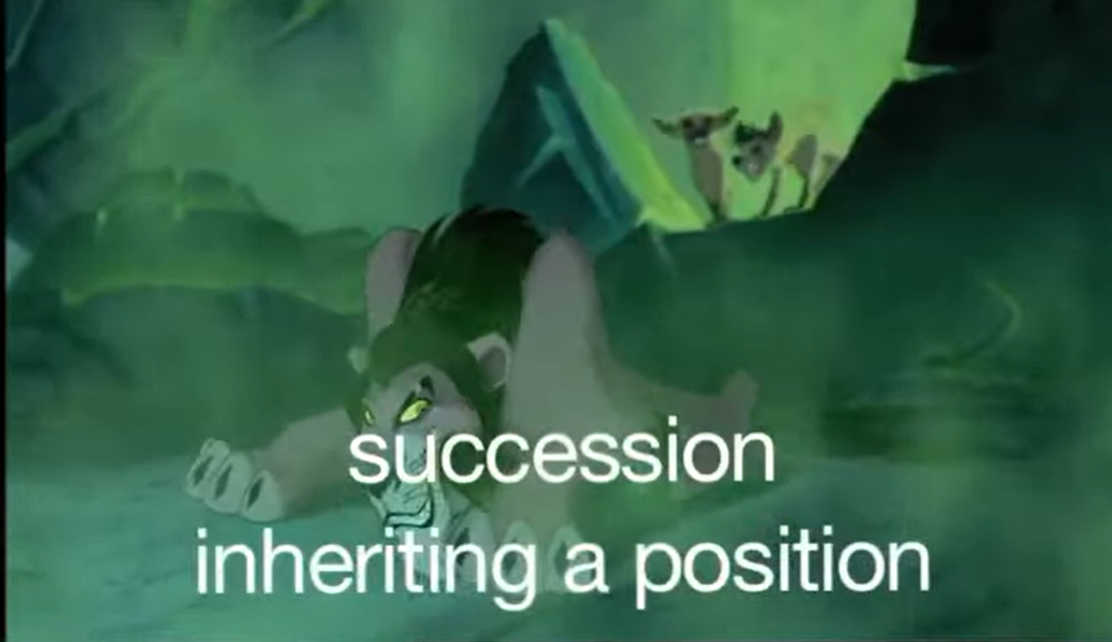
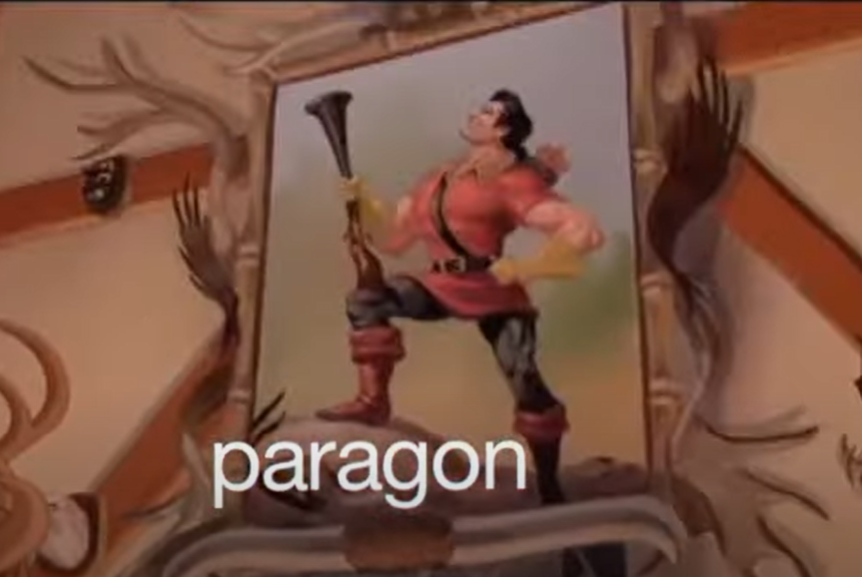
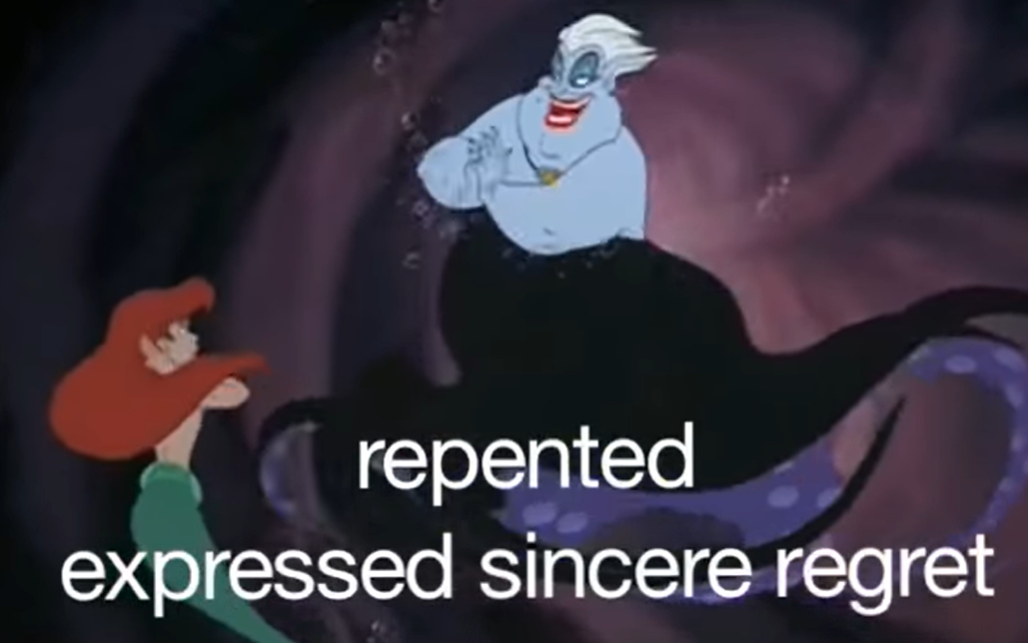
- TRY THIS CHALLENGE TO SEE HOW WELL YOU KNOW THE MEANINGS OF SOME WORDS:
https://kahoot.it/challenge/03127206?challenge-id=b51740c0-0aa0-4022-ad42-9871cb14a04c_1753288658042
Maths
In our maths lessons, we are securing our understanding of the number system by first looking at place value before moving on to the four operations.
We will be looking at calculating using a range of different strategies such as number lines or compensation methods (similar to giving change).
We will then deepen our understanding by applying these to problem-solving situations or explaining our reasoning.
Science
In Science, we are learning all about the human circulatory system, exploring the different vessels which are used to transport their blood around the human body and what the differences between arteries, veins and capillaries are.
We further explore our circulatory system in PE lessons which will develop our fitness and netball skills. We will soon discover that fitness can take several different forms. We will create a baseline in our first lesson to measure our agility, endurance and strength, and then we will repeat the same tasks at the end of the unit to reflect on how much we have improved.
RE
In our RE lessons this half term, we will be exploring themes across multiple faiths. We will be looking at how Christians, Muslims and Jews promote forgiveness as a path to inner peace and spiritual growth. Reconciliation is the process of restoring peace or harmony in a damaged relationship and can apply to individuals, groups, or nations. While forgiveness is one sided, reconciliation usually involves both parties and we will explore how all three religions approach these core concepts.
ART
Our art examines Victorian architecture and watercolours - we will be creating our own sketches of the Houses of Parliament (previous Y6 versions can be found under the Examples of Work tab) and experimenting with watercolours after exploring 'Ophelia' which was painted by Sir John Everett Millais. He painted it between 1851 and 1852, and it’s considered one of the masterpieces of the 'Pre-Raphaelite Brotherhood', a movement Millais co-founded that emphasised vivid detail, naturalism, and literary themes.
Geography
Year 6 will deepen their understanding of how geographers describe, map and interpret our world. Pupils begin by learning how latitude and longitude divide the Earth, using atlases to locate places and identify hemispheres.
Latitude tells us how far a place is from the Equator. This distance strongly affects temperature and daylight.
-
Places near the Equator are hotter because the sun’s rays hit more directly.
-
As you move further from the Equator, climates become colder.
-
The Arctic and Antarctic Circles (around 67° north and south) experience extreme daylight patterns — days with no sunset in summer and no sunrise in winter — because of the Earth’s tilt.
Longitude divides the Earth into vertical sections used to measure time.
-
The Prime Meridian (0° longitude) is the starting point for global time. The international date line is on the opposite side of the Earth (180° longitude)
-
The world is split into 24 time zones, matching the 24‑hour rotation of the Earth.
We will also examine some different maps through our geography lessons to discover what else maps can teach us beyond the physical landscape using thematic maps showing wealth, population, literacy and life expectancy, learning how maps help us understand people, places and global patterns.
History
This term, Year 6 will study The First World War, developing a clear understanding of how the conflict began, how it was fought, and how it shaped life in Britain and beyond. Pupils start by exploring the causes of WWI, including alliances, imperialism and the assassination of Archduke Franz Ferdinand.
Children then investigate how WWI became the first modern war, learning about tanks, aircraft, naval battles and the introduction of chemical weapons. A key focus is trench life on the Western Front, using real accounts to understand the harsh and dangerous conditions soldiers faced.
Later, pupils examine the Home Front, discovering how women’s roles changed during the war. The unit ends with the Armistice, the Treaty of Versailles, and the long‑term consequences of the conflict.
Computing
Year 6 will learn how information moves across the internet and how people work together online. Pupils begin by exploring internet addresses, understanding why devices need agreed rules (protocols) to communicate. They learn how IP addresses and DNS help computers find websites.
Next, children investigate data packets, discovering that all online information — text, images, audio and video — is broken into packets containing a header and data payload.
The unit then focuses on online collaboration, where pupils access shared files, create joint projects and explore how different media can be shared online. They also learn how work can be reused or adapted responsibly, including copyright considerations.
Finally, pupils examine online communication, comparing methods such as messaging, email and shared platforms, before learning how to communicate safely by deciding what should and should not be shared online.
PE
Year 6 develop core skills in netball and fitness. In netball, pupils learn to pass, move into space, lose defenders, defend effectively and shoot with accuracy, applying these skills in small‑sided games. Alongside this, the fitness unit builds speed, stamina, strength, agility, balance and co‑ordination through circuits, challenges and technique‑focused activities. Across both strands, pupils improve body awareness, teamwork, perseverance and confidence in applying skills under pressure.
Life Skills
Eagles class will learn how to stay safe in a wide range of everyday situations. Pupils explore responsibility, risk and danger, and how to respond in emergencies using DR ABC and basic first aid. They learn essential safety rules for roads, railways and water, and how to use medicines and household chemicals safely. The unit also teaches online safety, privacy, and how British Values guide safe, responsible choices.